
Under the Stars of Matariki
by Phil Cody SM

Māori Spirituality and the Christian Story of Creation
I was talking to a local Māori Catholic recently. She had woken in the night and decided to go outside and sit for a while. It was a clear night with many stars. She had recently lost a brother and was still grieving. Looking at the beauty of the stars, she felt her brother was encaptured by one of the bright stars and sparkling down on her. She felt consoled and uplifted. “That’s my brother smiling down on me...”
Her attitude and action reflects various aspects of Māori spirituality. For example, the relationship Māori and we have to creation. Creation is not some abstract, cold exterior ‘thing’, but reflects the beauty of the Creator.
Think of Genesis (1: 14-18)
“Let there be lights in the vault of the sky to separate the day from the night, and let them serve as signs to mark sacred times, and days and years, and let them be lights in the vault of the sky to give light on the earth.” And it was so. God made two great lights—the greater light to govern the day and the lesser light to govern the night. He also made the stars. God set them in the vault of the sky to give light on the earth, to govern the day and the night, and to separate light from darkness. And God saw that it was good.
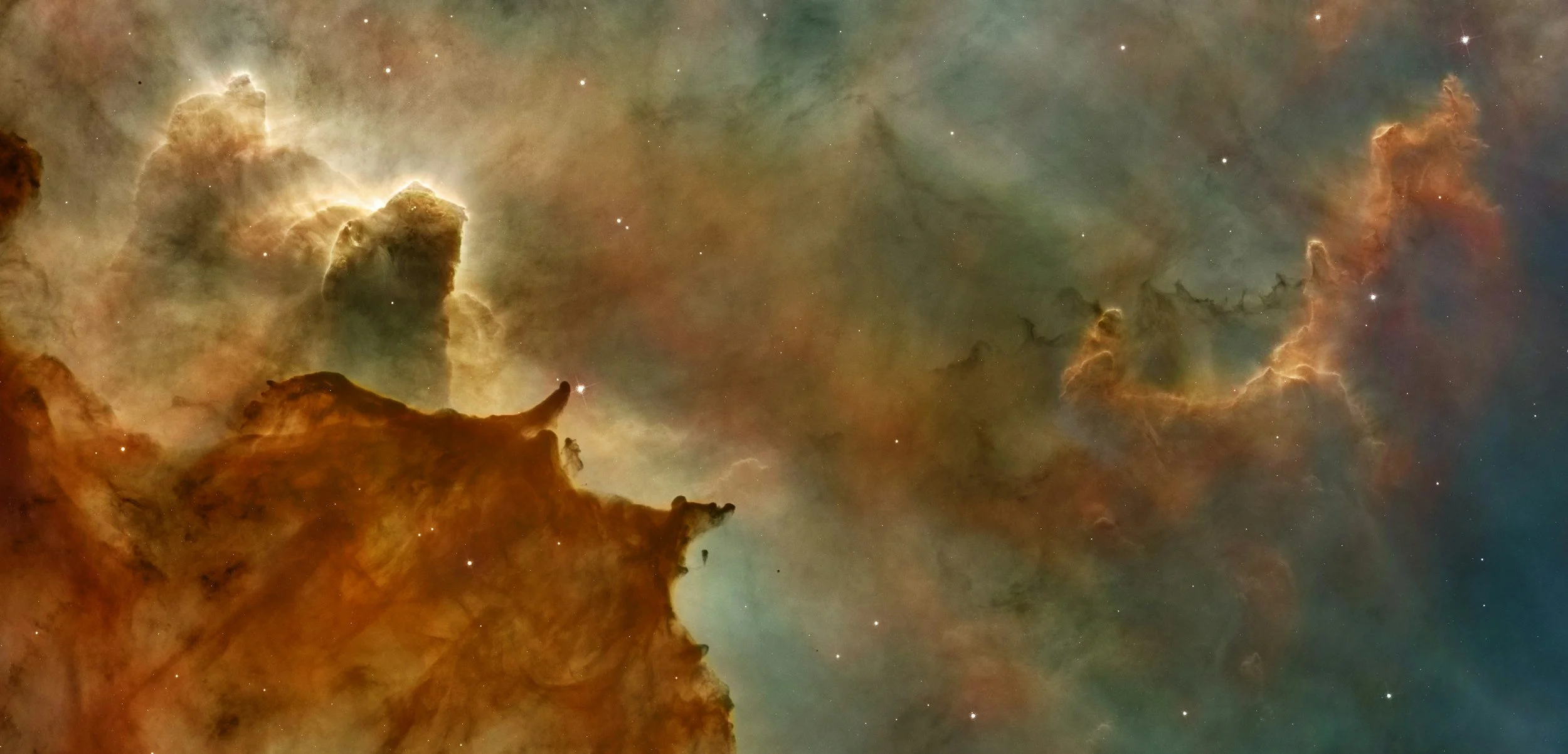
“Let there be lights in the vault of the sky to separate the day from the night, and let them serve as signs to mark sacred times, and days and years, and let them be lights in the vault of the sky to give light on the earth.”
Matariki: Seeing the Face of God
Māori take it a step further, especially linked with the Matariki constellation. ‘Matariki’ literally means ‘The Face of God.’ It establishes a link with the divine, setting up a relationship with the Wairua (spirit). It is a profound relationship expressed in the importance of meeting someone ‘kanohi ki te kanohi’, ‘face to face.’ Reflection on Matariki should guide us to relate to all things in the perspective of ‘the face of God.”
The Nine Stars of Matariki
Matariki is in fact a set of nine stars.
Matariki itself, signifying connection to the environment and the gathering of people.
Pōhutukawa, linked with those who have died.
Waiti, linked with fresh water and the food sustained by water.
Wāita, associated with sea water and all the fish and food sources there.
Waipuna-ā-rangi, connected to rain.
Tupuānuku, everything that grows in the soil to be harvested for food.
Tupuārangi, everything that grows up in trees, fruits and berries and birds.
Ururangi, linked with the wind
Hiwaiterangi, granting our wishes and realising our aspirations for the coming year.
The Sacred Fire and Seasonal Turning Points
Part of Māori celebration for Matariki is called the ‘Hau tapu,’ a sacred fire lit early in the morning.
It is a fire to cook a hangi, but especially made to provide plentiful steam which arises in the dawn and goes as a spiritual oYering to God and the stars and asks blessings on the new year. We might think of our Easter Fire in the Vigil of Easter.
We have just had the time of winter solstice (21st June) and the formal date for Matariki is on 10th July. This is a turning point for us, the psychological appreciation that winter will not last forever and, while it might seem a long way oY, Spring is in the air. Māori mark their calendar now. This is the start of the Māori New Year.
Remembrance, Evaluation, and Marist Parallels
As the star constellation appears, an aspect is to let light shine on the previous year: to give thanks for all that has taken place, to review and evaluate the last year. That can help us enter ‘the new year’ with focus and experience. This is a bit like the custom members of the Society of Mary practised around the feast of the Assumption. There was a time of Exposition of the Blessed Sacrament and prayer: to give thanks for last year to renew one’s vows and ask the grace to live the coming year to the full.
Matariki is linked with those who have died in the last 12 months. It is a time to name them, and entrust them to God. To give thanks for their lives and what they have taught us. Māori send their spirits to Matariki to complete anything that is needed before they enter eternal life. There is a parallel to the Christian Purgatory and its purifying space before a person can meet God face to face.

A part of the Matariki celebration is to have special, family meal. We might see a link with the Eucharist and a key theme of thanksgiving.
Harvest, Thanksgiving, and Unity
Matariki is linked too with harvest time. Autumn is a time to collect fruit and other produce and process them to sustain us over winter. It was time to fish and snare birds and preserve them in their own fat (so the people could eat in the remainder of winter). It was a time to plant medicinal herbs and especially kumara. For us the challenge of having a garden and maybe some plants in pots. A time of rejoicing and thanksgiving for the crops and various fruit and food that have grown. In some churches this expressed by a harvest festival with its colour and variety.
This is a grateful acknowledgement of food and its goodness in nurturing us. A part of the Matariki celebration is to have special, family meal. We might see a link with the Eucharist and a key theme of thanksgiving.
A Deepened Connection to Creation
Māori have a lot of proverbs to capture the various aspects of matariki. One example is: Matariki, hunga nui.Matariki is the gatherer of people in unity and love.
As Marists we might link this time with Our Lady who is known as The Star of the Sea, Whetū Moana.
The celebration of Matariki is bigger than acknowledging a star constellation. For a Christian it brings the creation story of Genesis into renewed focus, deepening our appreciation and care of the universe and earth, just as they care for us.
Mā te whetu rangi o Matariki, e tiaki mai, e manaaki mai i a mātou mō te tau e taka mai ana. May the gentle light of Matariki guide and inspire us all this year.

REFLECTION QUESTION
How does looking at the stars or the sky help you feel connected to God?
“An aspect is to let light shine on the previous year: to give thanks for all that has taken place.”
What are you grateful for in this past year?
“’Reflection on Matariki should
guide us to relate to all things
in the perspective of ‘the face
of God.’ ”
~ Phil Cody SM
