


Marist means "like-Mary."
Inspired by her life, Marists follow Jesus by turning to his mother Mary as a role-model.
It is a spirituality focused less on praying to Mary, and more on being like Mary—attentive to God, humble in presence, and ready for action.
Fr. Jean-Claude Colin described the Marist Way as
"thinking, judging, feeling, and acting as Mary in all things."
This spirituality is ideally suited to today’s world: it is gentle rather than dominating, seeking to include rather than exclude.
Like a mother in a family, it brings a Marian face to the Church, responding to those who feel unwelcome or hurt.
Marist History
-
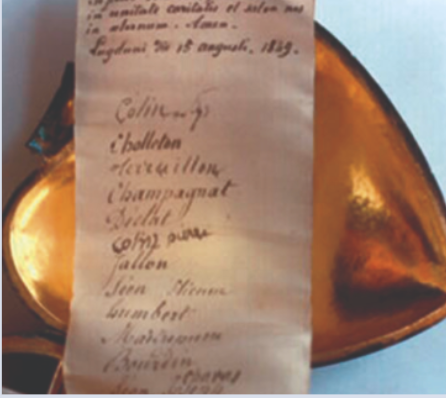
The Marist Story began in 1816 when a group of young French Seminarians heard a special call by Mary to begin a Society which would bear her name - The Society of Mary - Marists.
-
In 1836 the Pope gave formal approval for the Marists to begin and the Marist Family began to grow with Marist Sisters, Marist Missionary Sisters, Marist Brothers, Marist Fathers and Lay Marists creating the Marist Family.
-
The Founder of the Marists, Fr Jean Claude Colin, always envisaged that one special branch of the Marist Family would be for those ‘living in the world’ - ordinary people with families and homes and jobs in their communities. They would be a special branch - like a bridge- bringing Mary’s spirit to the whole world.
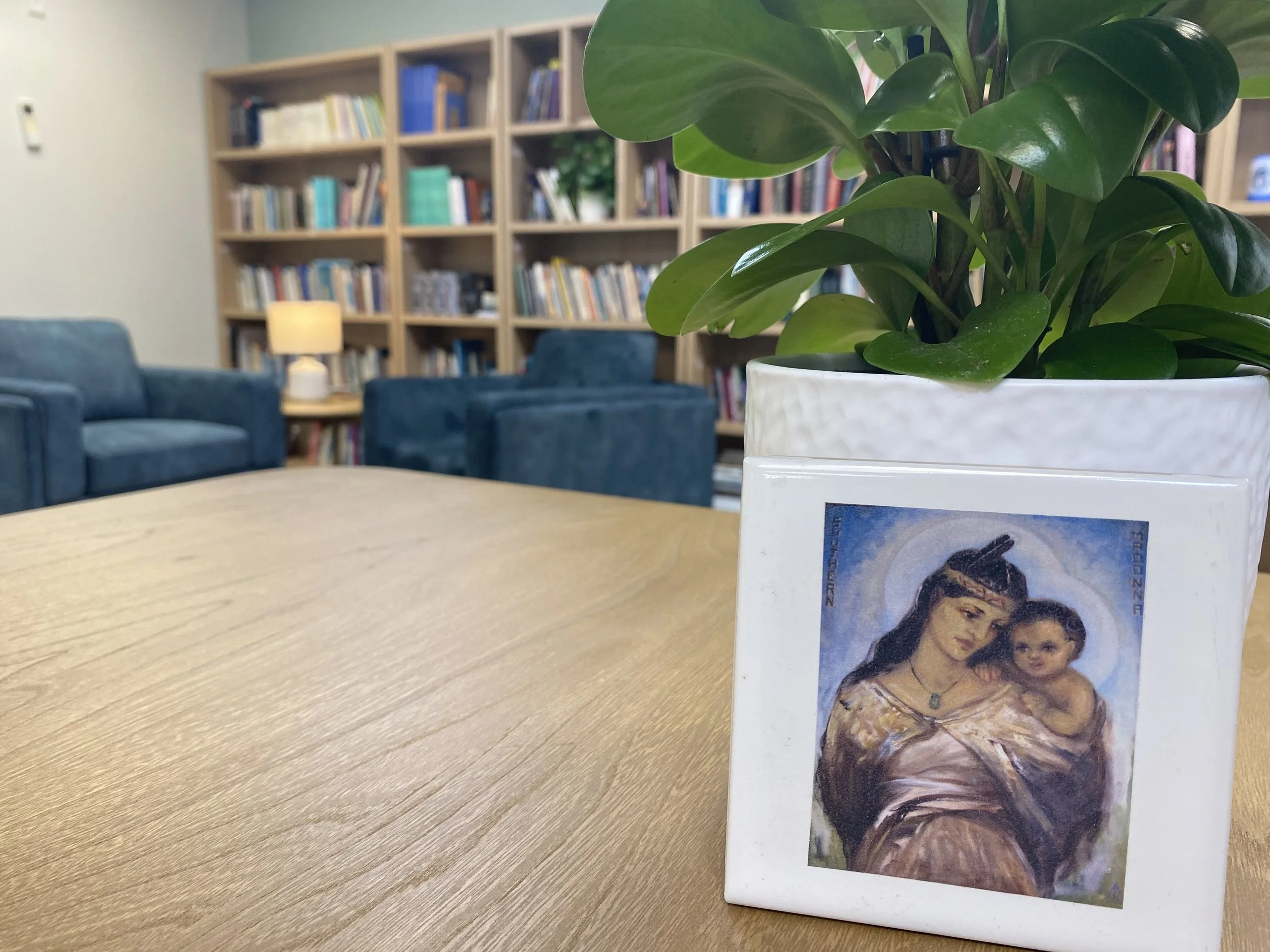
Marist Story NZ
-
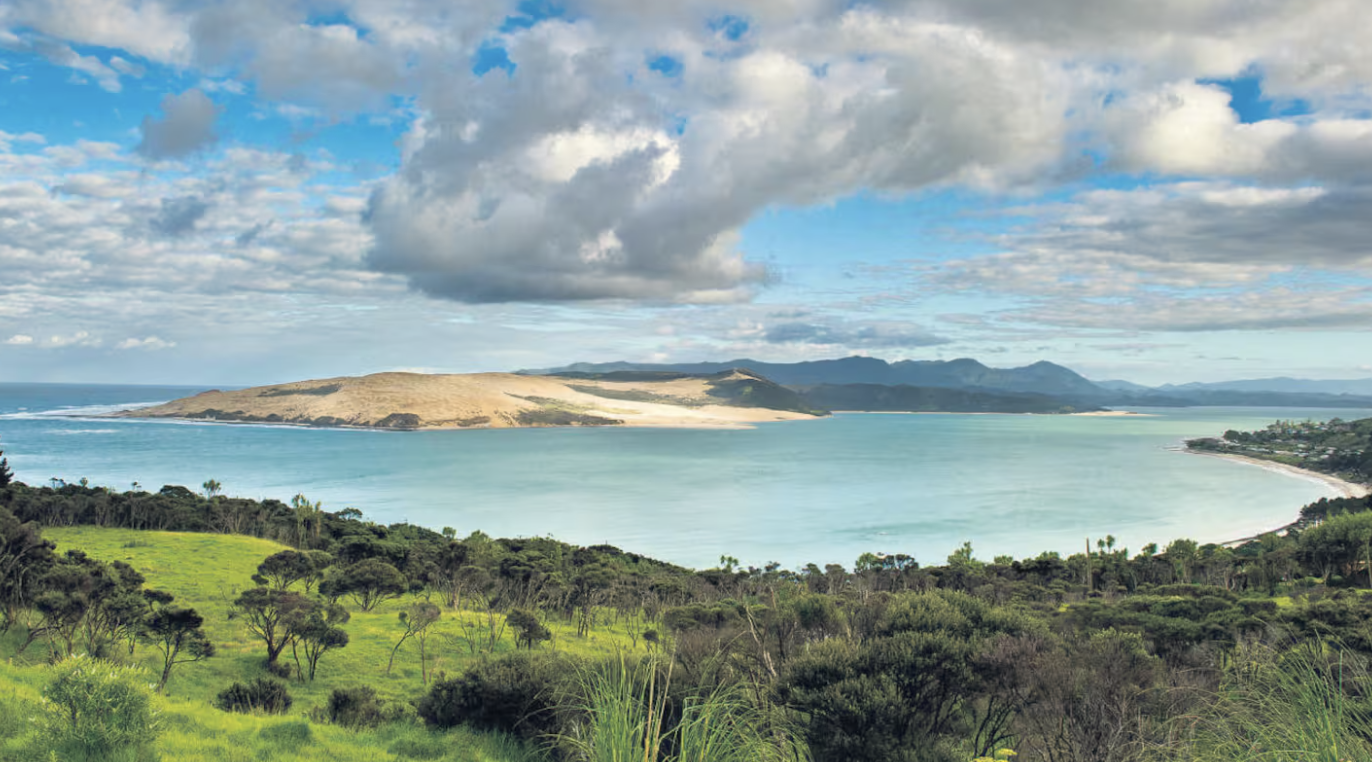
On granting permission for the Society of Mary to begin, Pope Gregory XVI immediately requested the Marists to send missionaries to Western Oceania. Bishop Pompallier, along with seven Marists including St Peter Chanel who was to become the first Martyr of Western Ocean being killed on the island of Futuna, arrived into the Hokianga Harbour, Northland, New Zealand in 1838.
-
The first Marists in Aotearoa - NZ served among Maori and Early Settler communities. Tensions arose because Bishop Pompallier was trying to spread the Marist missionaries widely across many areas and they were not able to live together in religious community as they desired. In 1850, a decision was made in Rome to split New Zealand into two Dioceses - Auckland and Wellington. Marists were to shift to Wellington under the newly appointed Marist Bishop Viard. This caused heart ache among both Maori mission communities and Marists particularly those in Northland.
-
Marist Missions continued to develop including a close working relationship with Mother Aubert in the Hawkes Bay, the Whanganui River, and Wellington. Many Catholic schools were established, along with Catholic Parishes, Retreat Centres, and a variety of ministries and groups developed out of the Marist Charism. The Marist Mission continues today with Marist Parishes, Marist Schools, Marist Groups, and a number of Marist Organisations living the Marist Way.
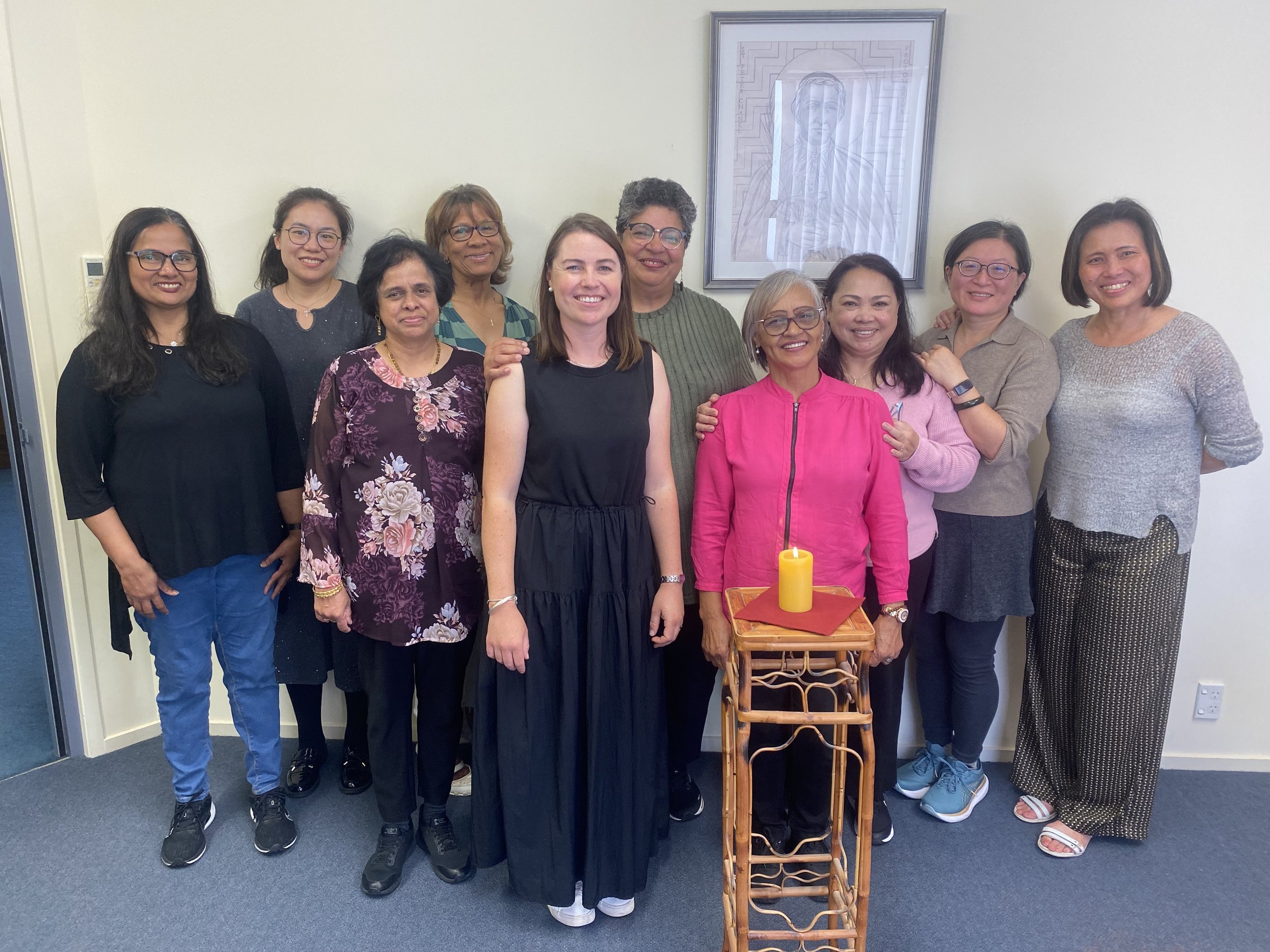
Marist Organisations
-
A number of ministries and groups continue to live and share the Marist Way in Parishes, Schools, Youth Organisations and Education Initiatives.
-
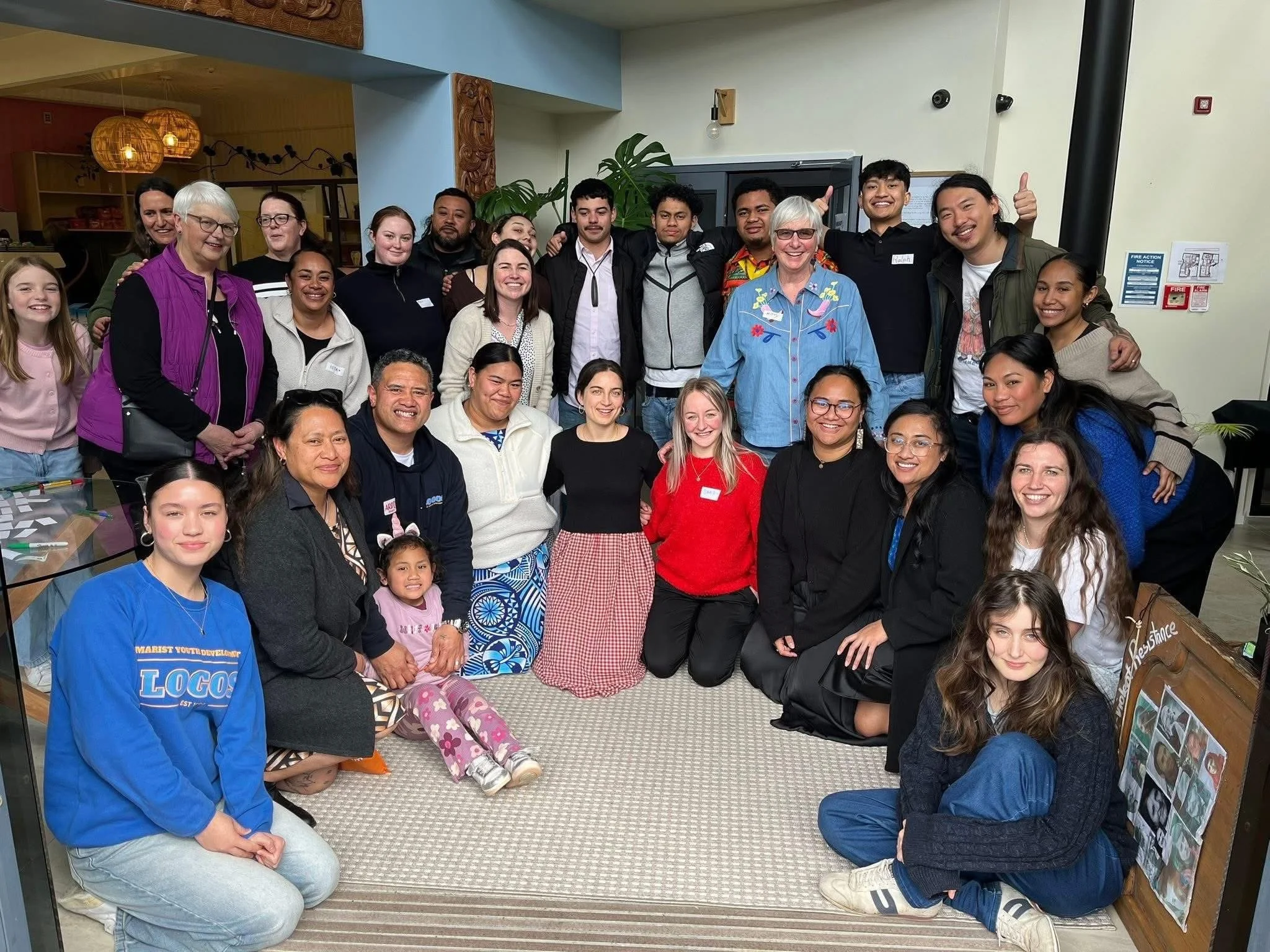
The Logos Project is a Marist Youth Development organisation based in central Auckland supporting young people with faith and community. www.logos.org.nz
-
The Marist Network of Schools links together several schools in Aotearoa New Zealand who share in the Marist Charism and seek to bring this alive to the next generation of students and teachers.
-
Young Marists is an organisation that grows young people to fulfill their potential in a Marist Way through leadership development and service. www.youngmarists.org
-
Pa Maria Spirituality Centre is a hub for Marist Ministries in Wellington including a Spirituality Ministry for retreats and spiritual direction, and the Young Marists and Hoben Project. www.pamaria.nz
-
Whanau Maria is a hub for Marist Ministries in the inner city of Auckland which includes Logos, Marist Way, Young Marist, Livingtheword, and Marist Vocations Ministry
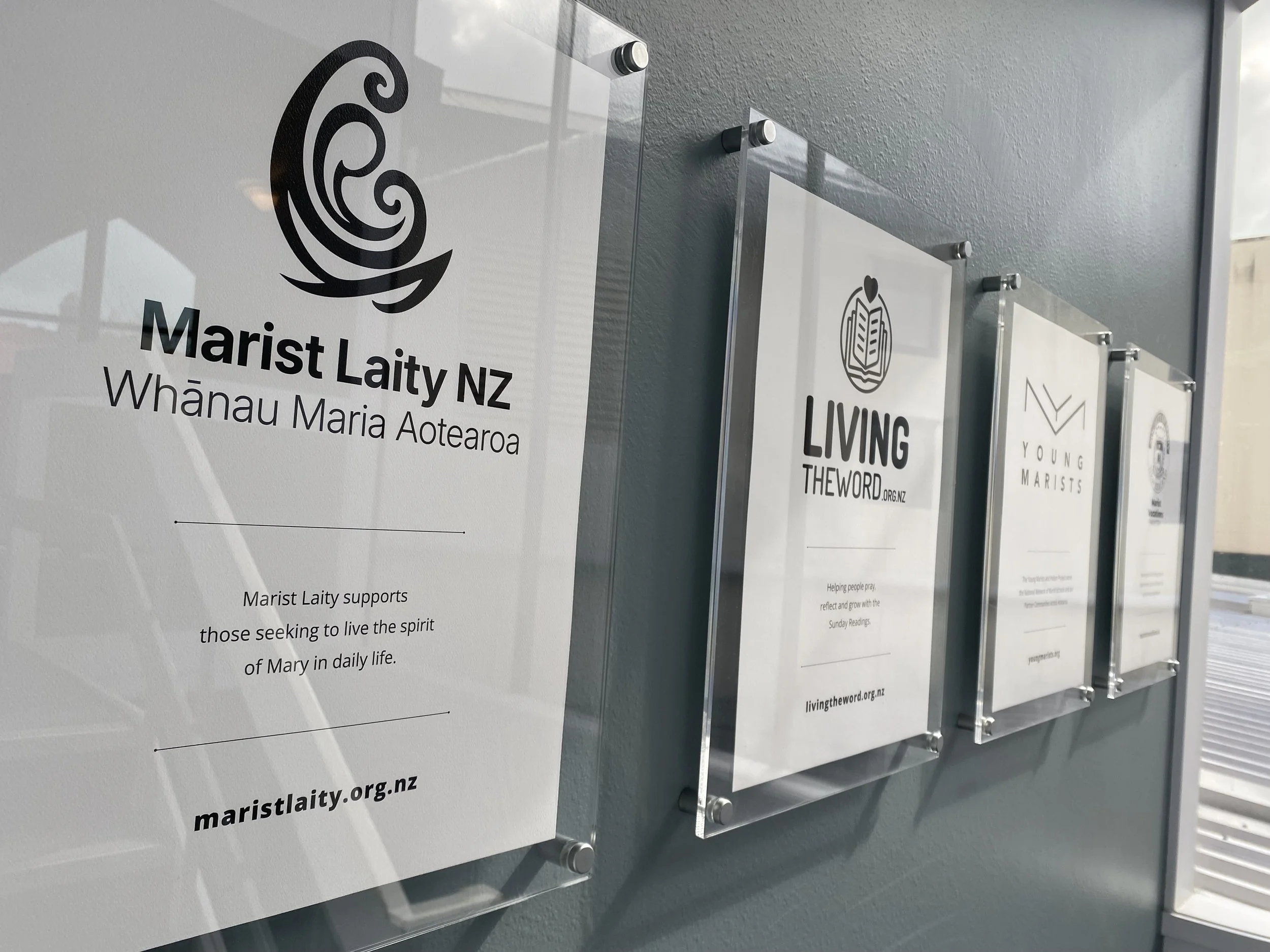
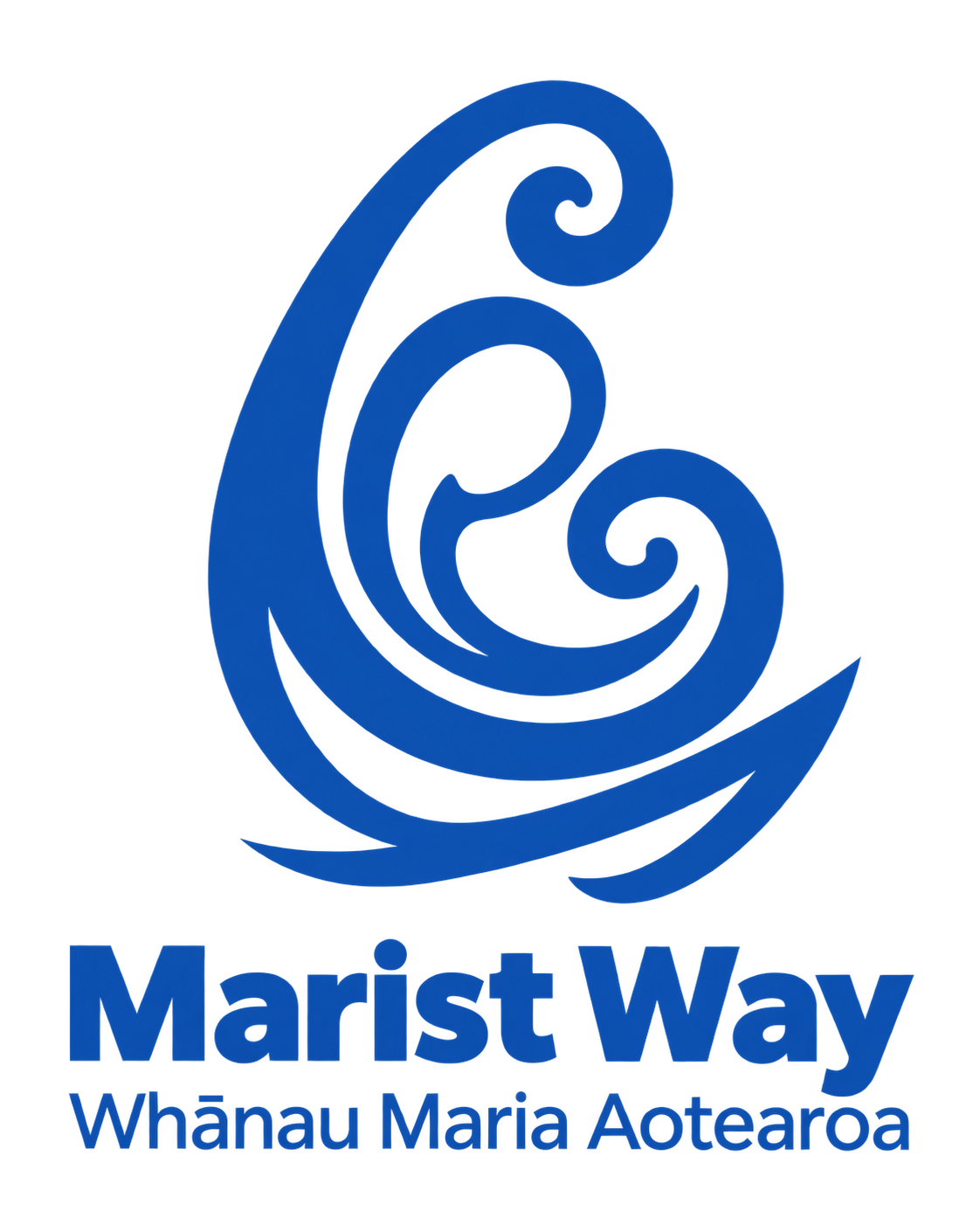
The meaning behind our logo.
Our Marist Way Logo holds a story of our Marist spirit and mission.
The lower symbol of a boat represents the early Marist missionaries journey from France to New Zealand with Bishop Pompallier.
The image of a mother and child represents all Marists being like Mary - bringing Jesus to others, supporting and nurturing the gift of faith.
The higher image sheltering Mary and Jesus can be seen as representing Joseph, but also the sails of the ship - reminders that we are ‘setting out together’ on a journey of faith and hope.
The central spiral reflects the koru, a Māori symbol of new life, growth, and renewal. It speaks to our evolving journey of faith in the Marist Way.
The curved lines and sense of embrace and welcome acknowledges the Marist way of hospitality, welcome and presence. We are called to bring a Mary ‘way’ to the church

The Marist Way
At the heart of Marist spirituality is a way of living:
to think, judge, feel and act as Mary - to be like her - and bring her presence into the world today.
Explore the different steps of the marist way journey
-
Sign up to receive a Marist Monthly reflection to help you learn and connect with the Marist Way
-
Enjoy a series of Marist Moments to reflect and grow in understanding and appreciation of this charism of doing Mary’s work in Mary’s way today in the Church.
-
Connect with a Marist to begin a journey of living and serving in the Way of Mary. Join in monthly celebrations of the Eucharist, prayer and community together.
-
Take an opportunity to join in Reflection Days at Whanau Maria Centre (Auckland), Pa Maria Centre (Wellington), Marist Parishes in St Annes (Manurewa - Auckland), St Patricks (Napier), St Mary of the Angels (Wellington), Our Lady Queen of Peace (Christchurch)