
Being a Prophet
Marist Moment: Comfortable or Challenged?
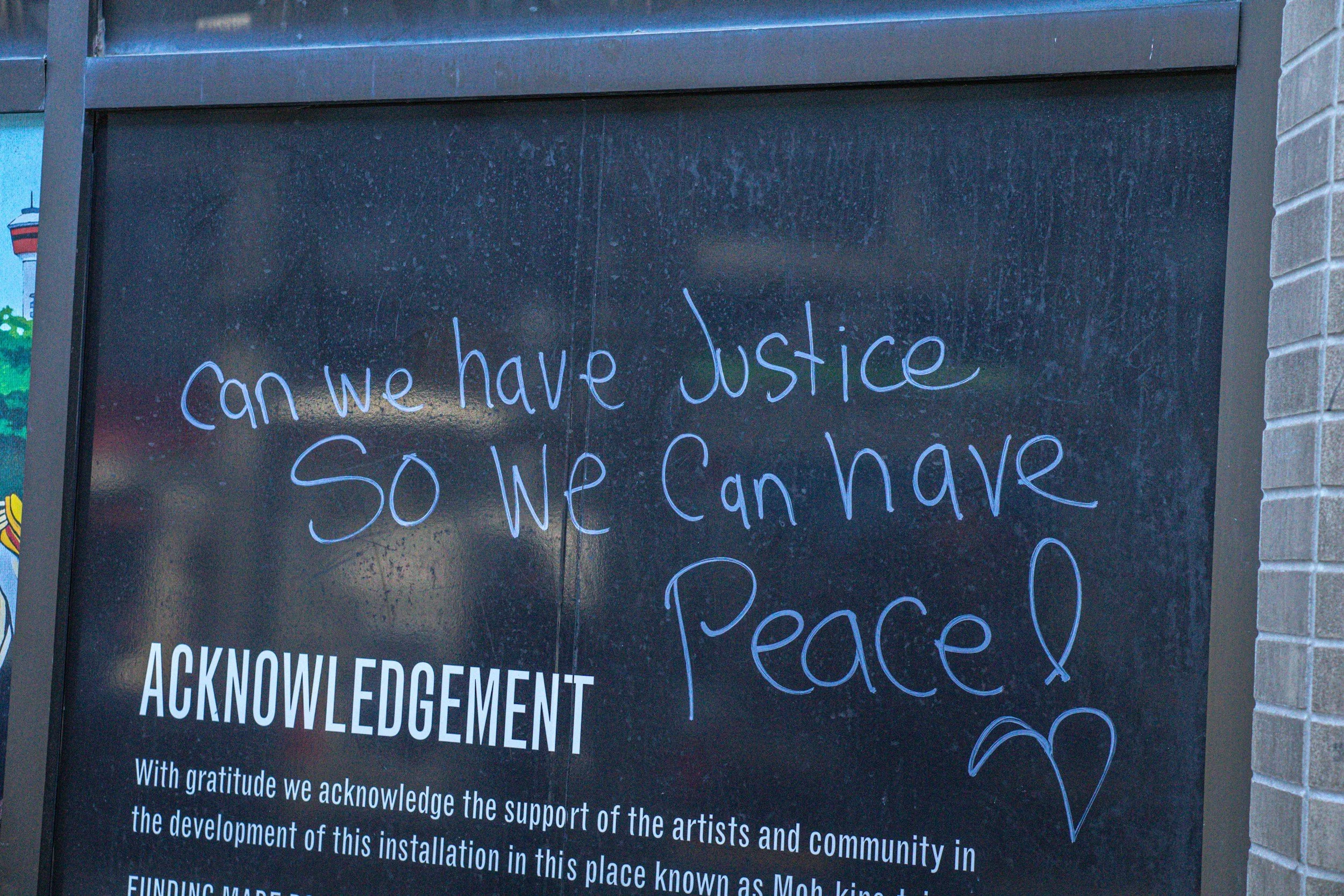
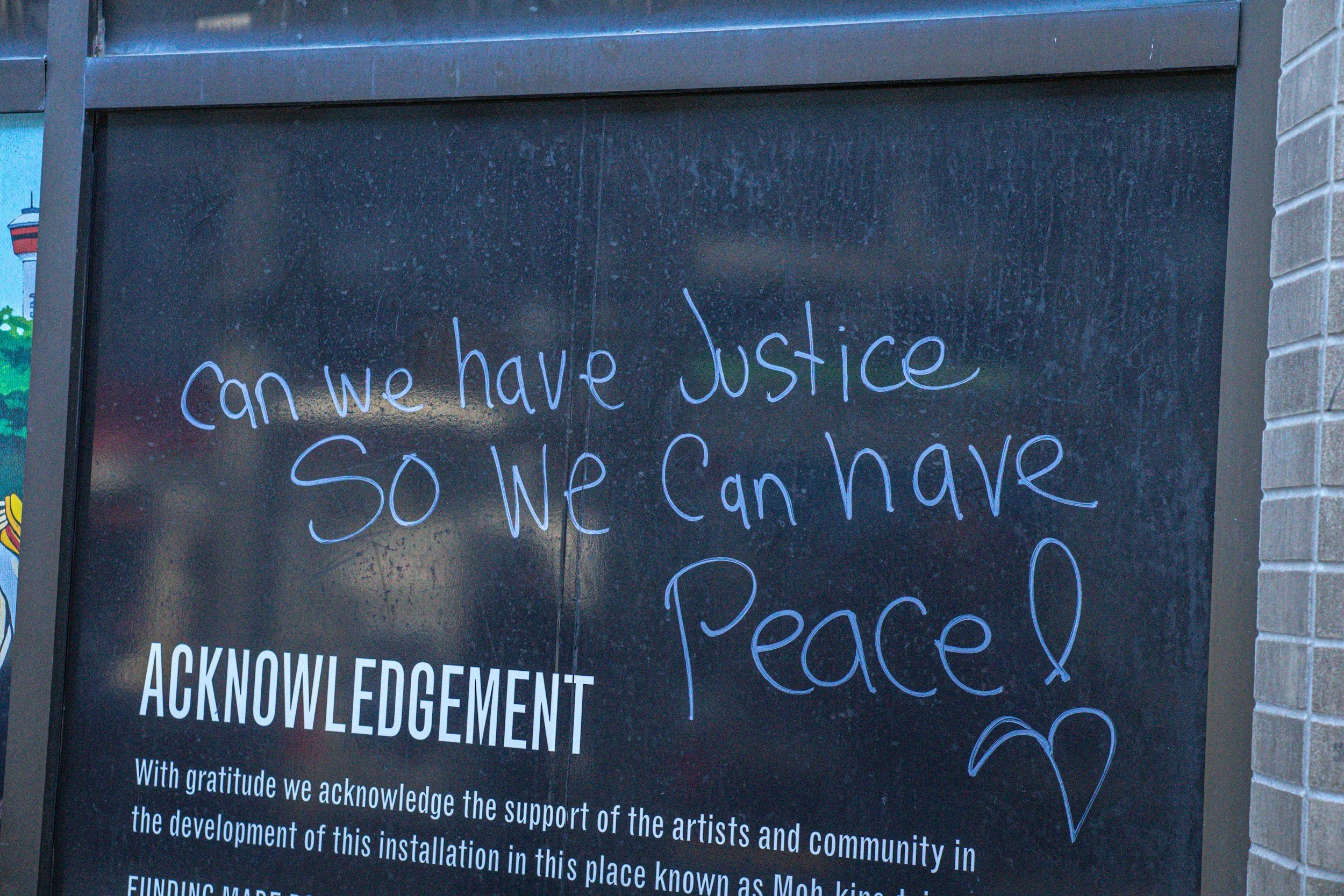
A prophet is someone who comforts the afflicted and challenges the comfortable. Mary’s Magnificat in the Gospel of Luke is a prophetic statement of God lifting up the lowly and bringing the rich down from their ‘thrones’. Mary’s spirit has a prophetic invitation to move us from being comfortable to being challenged.
A popular Marist Book called A Marian Consciousness offers some thoughtful ideas on the Marist Way of looking at and living life.
A God of Wide Horizons
We often imagine prophets as thundering critics or mysterious fortune-tellers. The Bible knows better, and so does the Marist tradition. Walter Brueggemann, whose work shapes this book, says the heart of prophecy is imagination: the prophet is a person of broad horizons who can picture a God who is utterly free — free of our low expectations, our tired assumptions, our quiet despair that things will always be as they are.
The prophet lives in three tenses at once. He remembers: God has acted with power and tenderness before, and must never be forgotten. He feels the present: its pain, its apathy, its injustice, grieving with God's own grief. And he hopes: through word and symbol he opens a window onto a future no one else dares to imagine, and light streams through, energising a weary people.
This is the pattern of Marist spirituality. Jean-Claude Colin was not a dreamer detached from reality, nor obsessed with what was wrong. He was a man who remembered Mary's quiet presence in the newborn Church, who felt keenly the unbelief and woundedness of post-revolutionary France, and who imagined a new way of being Church — merciful, humble, welcoming — that most of his contemporaries could not yet see.
The greatest danger, Brueggemann warns, is 'enculturation': settling so comfortably into the way things are that we stop believing God can do anything new. The Marist way begins by refusing that settlement. God is free. New beginnings are always possible — in the Church, in the world, and in you. That is not naive optimism; it is the sober conclusion of everyone who has ever taken the memory of God's deeds seriously.
Marist Reflection Question
Where in my life have I quietly decided that 'things will always be this way'? What might change if I truly believed God is free?
Marist Practice for Daily Life
Once today, when you catch yourself in a hopeless or cynical thought, pause and deliberately recall one concrete moment when God surprised you with goodness. Let the memory speak louder than the mood.
Marist Resources Download
This resource was created from the Marist Spirituality Series: ‘A Marian Consciousness’ by Fr Michael Fitzgerald SM. Click here to view the full reflection guide.
